 Richard
A Private Freight Terminal plays a vital role in strengthening modern logistics systems by giving businesses direct control over how their goods are handled, stored, and transported. Instead of depending on crowded public freight yards, companies use private terminals to streamline their internal supply chain operations. This allows them to manage scheduling more efficiently, reduce delays caused by third-party congestion, and improve the overall predictability of freight movement.
In many industries such as manufacturing, mining, automotive, and large-scale retail distribution, logistics timing is critical. A private terminal acts as an extension of the company’s operational system, ensuring that raw materials arrive on time and finished goods are dispatched without unnecessary waiting periods. This level of control not only improves efficiency but also reduces operational uncertainty, which is a major challenge in global supply chains today.
What Is a Private Freight Terminal in Modern Logistics?
A Private Freight Terminal in modern logistics is a dedicated freight handling facility owned or operated by a single company or industrial operator to manage its own cargo movements. Unlike public terminals that serve multiple users, a private terminal is designed for exclusive or priority use, enabling seamless coordination between rail, road, and sometimes port transport systems. It functions as a centralized logistics hub where goods can be loaded, unloaded, stored, and transferred efficiently, often located directly within or near industrial sites such as factories, warehouses, or distribution centers.
How Private Freight Terminals Improve Supply Chain Efficiency
A Private Freight Terminal significantly improves supply chain efficiency by reducing dependency on shared infrastructure and minimizing delays caused by congestion at public freight hubs. When companies control their own terminal operations, they can schedule arrivals and departures based on production cycles rather than external availability. This synchronization between manufacturing, storage, and transportation ensures smoother material flow and reduces idle time across the supply chain.
Another important advantage is the improvement in cargo handling speed and accuracy. Since operations are tailored to a single organization’s needs, processes such as loading, unloading, inspection, and dispatch are more streamlined and standardized. This reduces errors, shortens turnaround times, and allows businesses to respond quickly to market demand fluctuations, making the overall supply chain more agile and resilient.
Key Infrastructure Inside a Private Freight Terminal
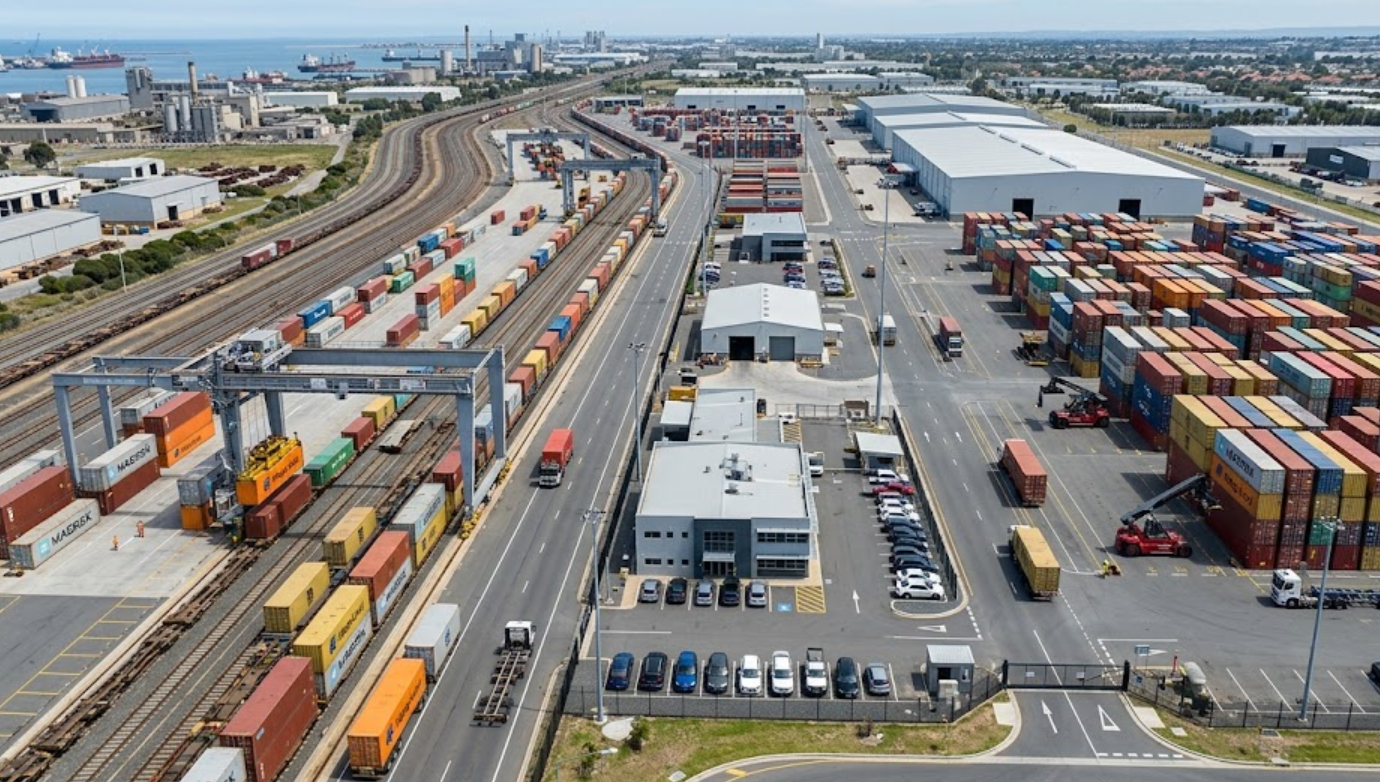
A Private Freight Terminal is built with specialized infrastructure designed to support high-volume and efficient freight operations. Common components include dedicated rail sidings, container yards, loading docks, warehousing facilities, and advanced cargo handling equipment such as cranes, forklifts, and conveyor systems. These elements work together to ensure smooth movement of goods between different transportation modes.
Cost and Time Benefits for Businesses Using Private Freight Terminals
A Private Freight Terminal delivers significant cost savings over time by reducing reliance on third-party logistics providers and minimizing delays that often lead to additional storage or detention charges. When companies manage their own freight handling operations, they gain better control over transportation schedules, which helps avoid demurrage fees and inefficiencies caused by congested public terminals. Over the long term, this operational control can translate into lower per-unit logistics costs, especially for high-volume industries.
From a time perspective, private terminals dramatically improve turnaround speed for cargo movement. Because operations are streamlined and dedicated to a single user, there is less waiting time for unloading, loading, and dispatching goods. This faster cycle not only improves supply chain responsiveness but also allows businesses to maintain leaner inventory levels, reducing warehousing costs and improving overall capital efficiency.
Real-World Use Case: Private Freight Terminal in Industrial Operations
A Private Freight Terminal is widely used in heavy industries where large-scale, continuous movement of goods is essential. For example, in the automotive sector, manufacturers often rely on private rail-linked terminals to receive components such as engines, steel parts, and electronic systems directly into production facilities. Finished vehicles are then dispatched through the same controlled terminal, ensuring a seamless flow between manufacturing and distribution without relying on congested public freight yards.
In the energy and mining sectors, private terminals are equally critical. Coal, minerals, and fuel products are typically transported in bulk, requiring specialized handling infrastructure that public terminals may not efficiently provide. A private terminal allows companies to manage loading and unloading operations directly at the extraction or processing site, reducing transportation delays and improving safety standards. This direct integration into industrial operations makes private terminals a key driver of productivity and reliability in large-scale supply chains.
Challenges and Limitations of Private Freight Terminals
Despite their advantages, a Private Freight Terminal also comes with significant challenges, particularly in terms of high initial investment and maintenance costs. Building dedicated infrastructure such as rail sidings, storage yards, and cargo handling systems requires substantial capital, which may not be feasible for small or medium-sized businesses. Additionally, ongoing maintenance and staffing expenses can add to the long-term operational burden.
Future of Private Freight Terminals in Global Trade and Logistics
The future of the Private Freight Terminal is closely tied to the ongoing transformation of global logistics toward automation, digitalization, and sustainability. As supply chains become more complex and time-sensitive, companies are increasingly investing in smart terminal systems that integrate AI-driven scheduling, IoT-based cargo tracking, and automated loading technologies. These advancements are expected to make private terminals even more efficient, reducing human error and improving real-time decision-making across logistics networks.
At the same time, the rise of intermodal transportation and green logistics initiatives is shaping how private terminals are designed and operated. Businesses are focusing on reducing carbon emissions by optimizing rail and inland transport usage instead of relying heavily on road freight. As a result, future Private Freight Terminal facilities are likely to become more energy-efficient, technologically advanced, and strategically integrated into global trade corridors, reinforcing their importance in resilient and sustainable supply chains.
Conclusion
A Private Freight Terminal is a powerful logistics asset that gives businesses greater control, speed, and efficiency across their supply chains. By reducing dependency on congested public terminals and enabling direct integration with production and distribution systems, it helps companies streamline operations and lower long-term logistics costs. From manufacturing and automotive industries to energy and bulk commodities, private terminals support faster turnaround times and more reliable freight movement, making them a strategic investment rather than just an operational facility.
FAQs
1. What is a Private Freight Terminal used for?
It is used for handling, storing, and transporting goods exclusively for a specific company or industrial operation.
2. How is it different from a public freight terminal?
A private terminal is dedicated to one user, while public terminals serve multiple businesses.
3. Which industries use Private Freight Terminals most?
Manufacturing, automotive, mining, energy, and large-scale distribution industries.
4. Why are Private Freight Terminals important?
They improve efficiency, reduce delays, and give companies full control over their logistics operations.
Visit For More Information:- Supper Magazines