 Richard
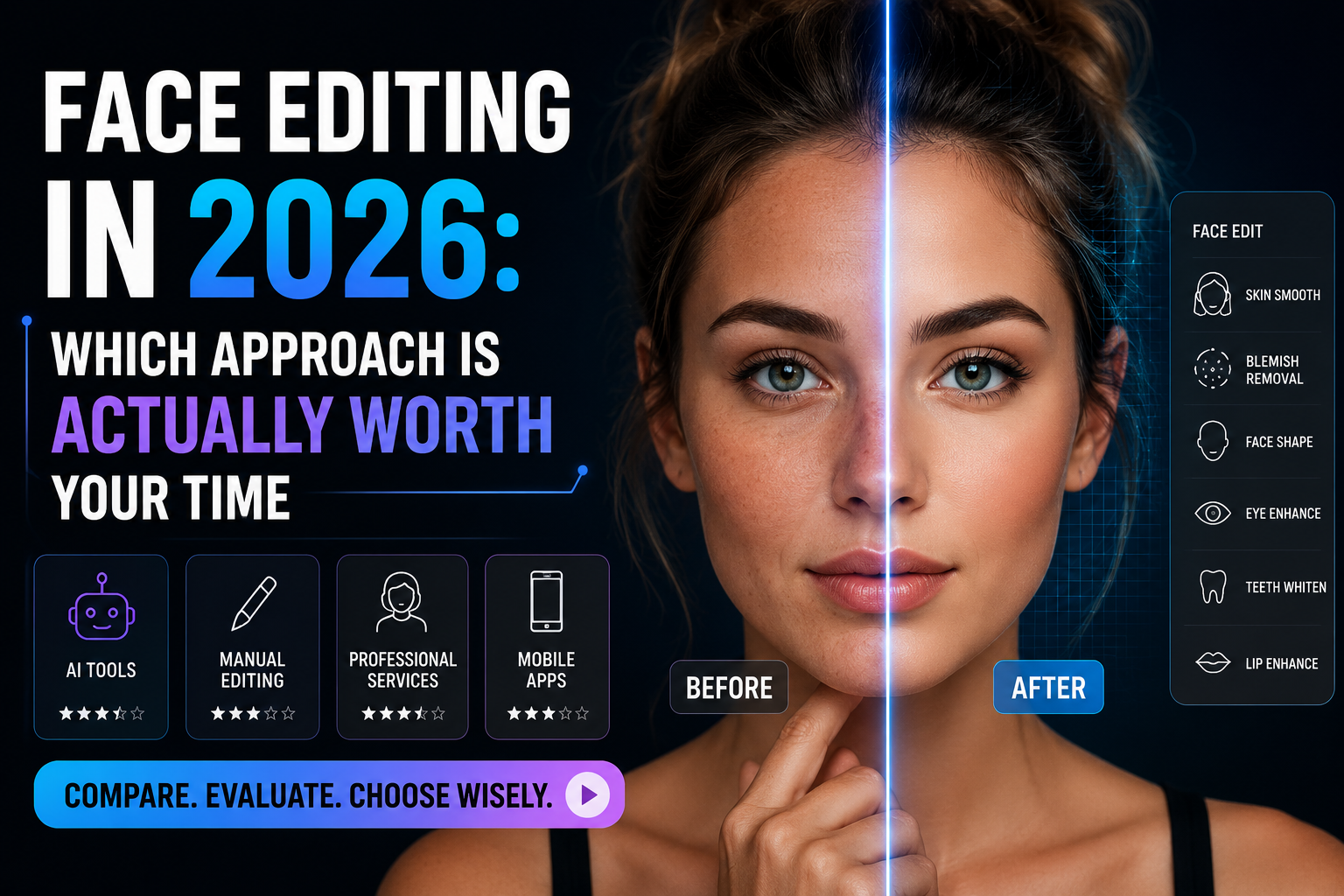
Face editing has never been more accessible — and paradoxically, that’s made it harder to know what’s actually worth using. The options range from one-tap filters to AI-powered retouching to professional human editors, and the marketing around all of them sounds roughly identical. Cutting through that noise requires an honest look at what each approach actually delivers and when.
If you’re spending time on portrait retouching in 2026, understanding which method fits your situation saves both effort and disappointment. A full breakdown of what’s currently available is at https://retouchme.com/service/face-editor — but here’s the practical framework for making the right call.
The Three Approaches, Honestly Assessed
One-tap filters and presets are fast and frictionless. For casual social media content where the photo will be seen briefly on a small screen, they’re often sufficient. The limitation is consistency — results vary significantly depending on lighting, skin tone, and photo resolution, and the same filter that works well on one photo produces obvious artifacts on another. They also apply corrections uniformly, which means areas that didn’t need touching get processed alongside areas that did.
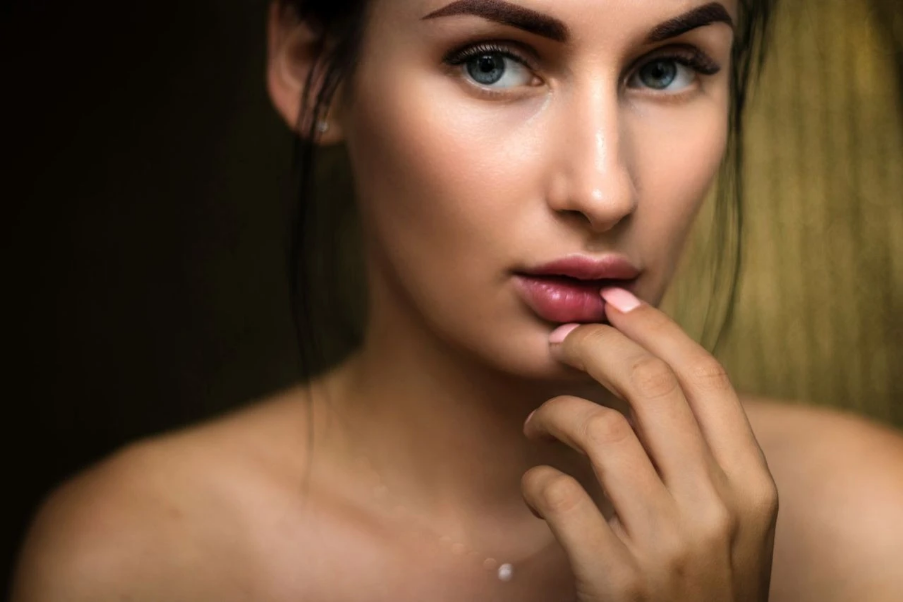
AI-powered retouching has improved considerably and now handles standard portrait conditions convincingly. Skin smoothing, blemish removal, and tone evening on well-lit, high-resolution photos produce results that hold up at normal viewing size. The remaining limitations are predictable: complex lighting, unusual facial features, and high-resolution output where artifacts become visible under magnification. AI also can’t distinguish between a feature worth keeping and one worth removing — it processes what its training tells it to process, regardless of whether that serves the specific photo.
Human retouching remains the most reliable approach for photos where quality matters. A professional retoucher reads the specific image — the lighting, the subject’s features, the intended use — and applies corrections with judgment rather than pattern matching. RetouchMe delivers this through a mobile-accessible service with fast turnaround, making professional retouching practical for everyday use rather than just commercial shoots.
What’s Changed in 2026
AI face editing tools have narrowed the gap with human retouching on straightforward portrait work. For standard conditions — good light, clear skin, forward-facing pose — the best automated tools now produce results that are difficult to distinguish from careful manual editing at screen resolution.
What hasn’t changed is the ceiling. Demanding photos still expose the limitations of automated approaches, and the situations where those limitations appear are exactly the ones where the photo tends to matter most: professional headshots, portraits for print, images that will represent someone publicly over time.
Matching Approach to Purpose
The most useful way to think about face editing in 2026 isn’t which approach is best in absolute terms — it’s which approach is appropriate for the specific photo and its intended use.
Casual content for social media warrants a quick, accessible solution. Photos with professional or personal significance — a headshot, a portrait being framed, a profile picture that will be seen by people whose impression matters — warrant the investment in quality that only human retouching consistently delivers. The time spent on face editing should be proportional to how much the result actually matters, and the approach chosen should match what the photo genuinely needs.