 Richard
TL;DR: An air conditioner that runs continuously but does not cool the house is usually experiencing a problem with airflow, refrigerant levels, heat transfer, system sizing, or duct performance. Common causes include clogged air filters, refrigerant leaks, dirty coils, undersized equipment, and leaking ductwork. Identifying the specific cause is necessary because each issue reduces the system’s ability to remove heat from the home effectively.
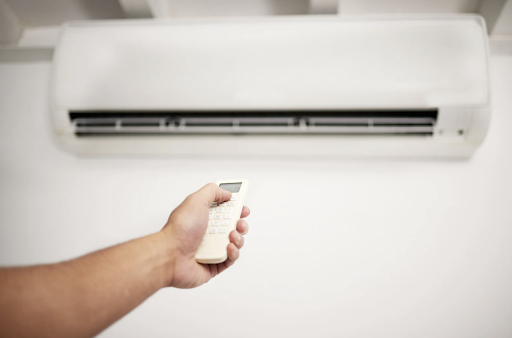
An air conditioner that runs continuously without cooling the house is compensating for a performance deficit somewhere in the system. It is working, but it is not working effectively.
The Air Conditioning Contractors of America estimates that 50 percent of residential HVAC systems have at least one significant performance issue that reduces efficiency and comfort. An air conditioner that cannot reach the setpoint despite continuous operation is among the most visible of those issues.
Homeowners in Littleton experiencing this problem can schedule a diagnostic appointment with AC Repair Littleton CO technicians who can identify and resolve the specific cause.
Here is what causes a running but non-cooling air conditioner and how each cause is addressed.
Is the Air Filter Blocked?
A clogged air filter is the most common cause of reduced cooling performance and the easiest to check first.
The air filter sits between the return air duct and the air handler. A filter that is loaded with dust and debris restricts the airflow through the system. Reduced airflow means the evaporator coil cannot transfer heat efficiently. The system runs without producing the cooling that normal airflow would deliver.
Remove the filter and hold it up to a light source. If you cannot see light through it, it needs replacement. Standard one-inch filters need replacement every 30 to 60 days during the cooling season.
A filter that is correctly rated for the system, installed correctly, and replaced on schedule is the single easiest maintenance step that keeps an air conditioner performing at its rated capacity.
Is the Refrigerant Low?
Refrigerant is the fluid that carries heat from inside the home to the outdoor condenser. A system with a leak loses refrigerant over time. As the refrigerant level drops, the system’s ability to transfer heat decreases proportionally.
Low refrigerant presents as:
- Longer run cycles that do not reach the setpoint
- Ice forming on the evaporator coil or on the refrigerant lines
- Warm air from supply vents despite the system running
- Higher than normal energy bills from extended runtime
Refrigerant leaks do not fix themselves, and the refrigerant level does not drop through normal operation. If the system is low on refrigerant, a leak exists somewhere in the refrigerant circuit that needs to be found and repaired before the refrigerant is recharged.
Adding refrigerant to a leaking system without repairing the leak is a temporary measure that does not address the underlying problem.
Are the Coils Dirty?
Two sets of coils perform heat transfer in an air conditioning system. The evaporator coil inside the air handler absorbs heat from indoor air. The condenser coil in the outdoor unit releases that heat to the outside air.
Dirty coils reduce heat transfer efficiency. A layer of dust on the evaporator coil acts as insulation, blocking the contact between the refrigerant and the air it is meant to cool. Debris on the condenser coil prevents the outdoor unit from releasing heat effectively.
Condenser coil cleaning is a regular maintenance item that involves washing the exterior coil with a cleaning solution and water. Evaporator coil cleaning is more involved and typically requires a service technician.
Is the System Correctly Sized for the Home?
An air conditioner that is undersized for the home it serves will run continuously on hot days without reaching setpoint. The system is working at full capacity but that capacity is insufficient for the cooling load.
Undersizing is often discovered after a system replacement when the new unit is the same size as the failed unit, which may have been incorrectly specified originally.
Manual J load calculations determine the correct system size based on the home’s square footage, insulation levels, window area, orientation, and local climate data. A system sized through this calculation is matched to the home’s actual cooling load rather than estimated by rule of thumb.
An oversized system also fails to cool correctly, through a different mechanism. An oversized unit cools the air quickly but cycles off before removing adequate humidity. The home reaches the temperature setpoint but feels clammy because the humidity was not addressed in the shortened run cycle.
Is the Ductwork Leaking?
Leaking ductwork delivers conditioned air to spaces that do not benefit from it, typically unconditioned attics, crawl spaces, or wall cavities.
The Department of Energy estimates that duct leakage in the average home causes 20 to 30 percent of conditioned air to be lost before it reaches the living spaces. A system that loses that volume of air to leakage runs longer to compensate, increasing energy costs and reducing comfort.
Symptoms of significant duct leakage include rooms that never cool adequately despite the system running, high energy bills relative to the home’s size and insulation level, and excessive dust accumulation in living areas from duct cavities drawing in particle-laden air from unconditioned spaces.
Duct sealing using mastic sealant or metal tape, not standard duct tape, at every connection point reduces leakage and improves system performance.
Key Takeaways
- A clogged air filter is one of the most common causes of poor cooling performance and should be checked first.
- Refrigerant levels do not decrease during normal operation; low refrigerant typically indicates a leak that requires repair.
- Dirty evaporator and condenser coils reduce heat transfer efficiency and force the system to run longer.
- An undersized air conditioner may run continuously without reaching the thermostat setting during hot weather.
- The Department of Energy estimates that duct leakage can waste 20% to 30% of conditioned air before it reaches living spaces.
- Ice buildup on refrigerant lines, unusually long cooling cycles, and rising energy bills often indicate an underlying system problem.
- Most cooling performance issues can be diagnosed during a professional HVAC inspection and addressed before additional wear occurs.
Final Thoughts
An air conditioner that runs without cooling the house is communicating a specific problem through its behavior. The filter, the refrigerant level, the coil condition, the system sizing, and the duct integrity are the primary variables to investigate.
Most of these conditions are diagnosable during a single service visit. Identifying the specific cause and addressing it restores the system to its designed performance rather than leaving it running continuously at reduced effectiveness while energy costs accumulate.