 Richard
TL;DR: Household drains should typically be professionally cleaned every 18 to 24 months to prevent buildup from developing into a blockage. Kitchen drains, older plumbing systems, and homes with frequent drain issues may require more frequent maintenance. Common causes of drain problems include grease, hair, soap residue, mineral scale, and tree root intrusion in sewer lines.
The American Society of Home Inspectors reports that drain and sewer problems are among the most common issues identified during home inspections, affecting an estimated one in three homes at any given time. Most of those problems develop over months or years before they produce a noticeable blockage.
Homeowners in Lakewood who want to address drain maintenance proactively rather than reactively can schedule a cleaning with Drain Cleaning Lakewood CO specialists before buildup reaches the point of creating a blockage.
What Builds Up Inside Household Drains?
Different drains accumulate different types of material, which affects both the rate of buildup and the cleaning method required.
Kitchen drains accumulate grease, soap residue, and food particles. Grease liquefies in hot water and moves down the drain, then solidifies as it cools further in the pipe. Each cycle of grease adds to a layer that narrows the drain opening over months and years.
Bathroom sink and shower drains accumulate hair, soap scum, and the mineral deposits that water leaves as it evaporates or drains. Hair wraps around the drain stopper mechanism and accumulates below it, catching soap residue and forming a dense mass.
Toilet drains accumulate mineral scale from hard water and occasional non-flushable material that does not dissolve. Main line blockages are most commonly caused by toilet paper accumulation with non-flushable wipes or feminine hygiene products.
Main sewer lines accumulate the output of all drains in the home, plus potential intrusion from tree roots seeking the moisture inside the line.
What Are the Warning Signs That a Drain Needs Cleaning?
Watch for these patterns before a full blockage develops:
Slow drainage that has developed gradually over weeks or months. Water that pools in a sink or shower before draining slowly indicates a partial obstruction in that drain or its trap.
Gurgling sounds from drains when water drains elsewhere in the home. A gurgling toilet when the washing machine drains indicates that the main line is partially obstructed and air is being displaced through the nearest trap.
Recurring drain odors that return after cleaning the drain opening. Organic material accumulating below the trap produces an odor that surfaces in the room even when the visible drain is clean.
Multiple slow drains simultaneously. When more than one drain in the home drains slowly at the same time, the obstruction is likely in the main sewer line rather than in individual branch drains.
What Methods Are Used to Clean Drains Professionally?
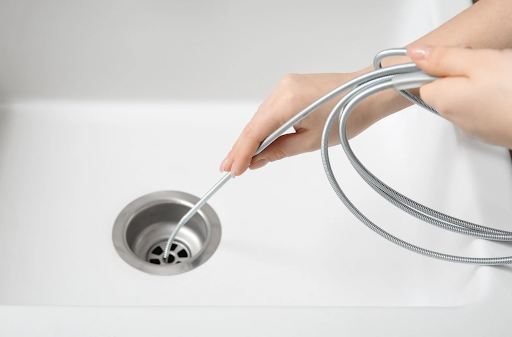
Drain snaking uses a motorized cable with a cutting or clearing attachment that breaks up and removes blockages. Snaking is effective for soft obstructions like grease and hair accumulation and for blockages within a few feet of the drain opening.
Hydro jetting uses high-pressure water delivered through a specialized nozzle to clean the interior of drain and sewer lines. Hydro jetting removes grease buildup, mineral scale, and root intrusion more thoroughly than snaking and leaves the pipe interior clean rather than simply clearing a path through the obstruction.
Hydro jetting is appropriate for main sewer lines, grease-accumulated kitchen drain lines, and any drain where snaking has not produced lasting results.
Camera inspection uses a waterproof camera on a flexible cable to show the interior condition of a drain or sewer line. Camera inspection identifies the location and nature of an obstruction, reveals root intrusion, pipe damage, or offset joints, and confirms that cleaning was effective.
Camera inspection is recommended before hydro jetting on older sewer lines, where high-pressure water could damage deteriorated pipe material.
How Do You Maintain Drains Between Professional Cleanings?
Kitchen drains: Run hot water for 30 to 60 seconds after washing dishes or using the garbage disposal. This flushes grease further through the line before it can solidify. Avoid putting cooking oil, fat, or starchy foods down the drain.
Bathroom drains: Install hair catchers over shower and bathtub drains and empty them after every use. This prevents the primary accumulation material in bathroom drains from entering the line.
Enzyme drain treatments: Monthly application of enzyme-based drain treatments introduces biological agents that digest organic material in the drain and trap. These treatments are not emergency solutions but work effectively as a maintenance measure between professional cleanings.
Avoid chemical drain cleaners as routine maintenance. Foaming chemical drain cleaners dissolve some organic blockages but degrade pipe interiors over repeated use. Reserve them for emergencies when a mechanical solution is not immediately available.
Conclusion
Drains that receive preventive maintenance perform reliably. Drains that are addressed only when they stop working require more invasive and more expensive intervention than regular cleaning would have cost.
A 18-to-24-month professional cleaning schedule, combined with basic maintenance habits between appointments, eliminates most drain blockages before they develop. The disruption of a blocked drain, the water damage it can cause, and the emergency service premium are all outcomes that routine maintenance prevents.