 Richard
Working as a contractor, whether in the plumbing, HVAC, electrical, or even construction fields, requires you to take your transportation capabilities seriously. That’s because your fleet is literally the moving force of your business.
Without reliable vehicles, your technicians will have trouble reaching job sites, equipment may fail to get delivered on time, and projects will easily fall behind schedule. But vehicle acquisition costs have been on the rise, maintenance costs keep increasing, and fuel prices are becoming harder to keep up with.
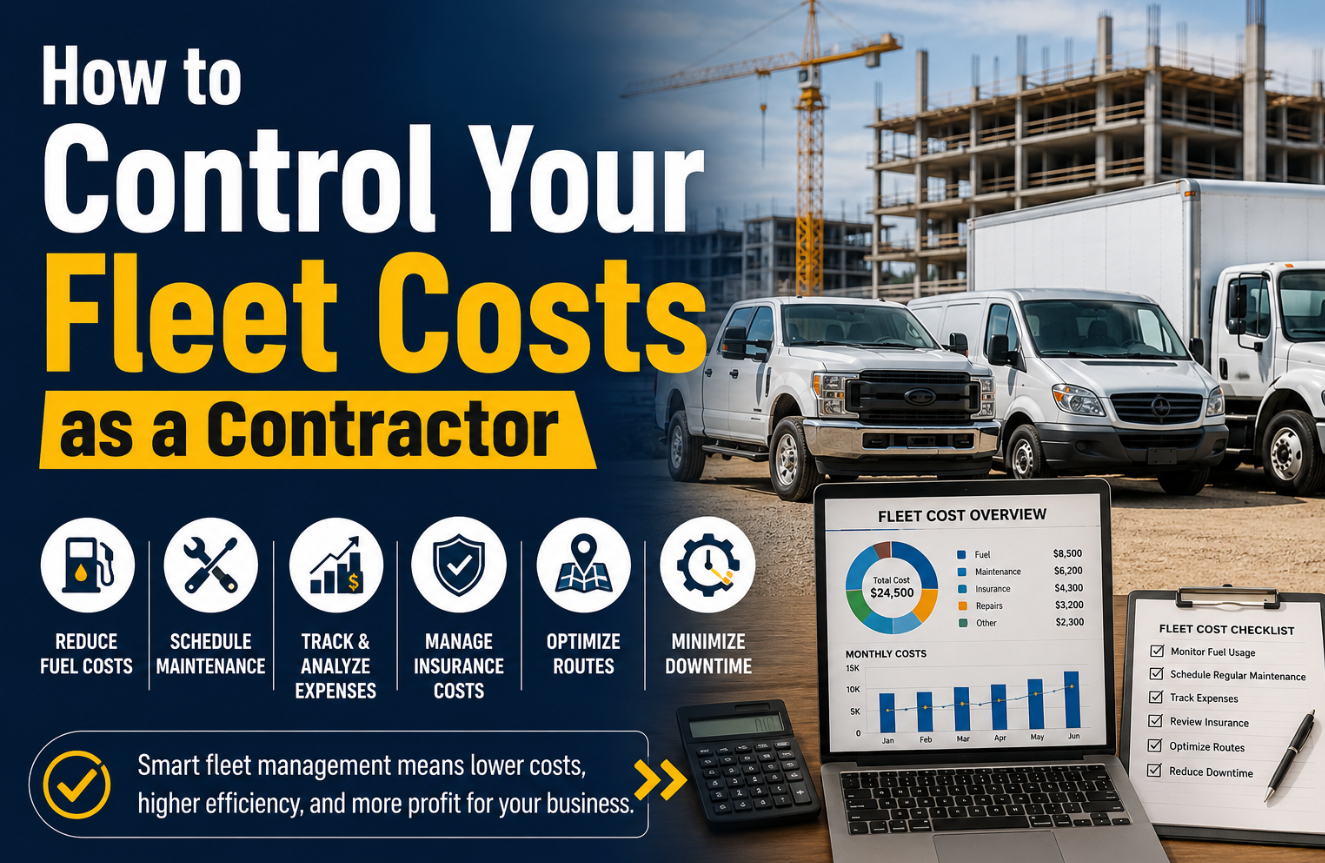
So, what can you do to keep your fleet costs in check? Here are some tips.
1. Determine the Cost Per Vehicle
It’s quite difficult to manage what you can’t measure. Most contractors have a rough idea of how much they spend every month on fuel, but they don’t completely understand how much each vehicle spends in relation to the overall operating expenses.
When you take an electrical certification course from a top provider like RocketCert, you will learn that every cost, from fuel costs and repair costs to downtime and mileage, matters. That’s in consideration that your overall profitability is affected by the costs that might seem trivial.
Determining the cost per vehicle gives you the ability to create a complete financial profile for all the vehicles in your fleet. That way, you will identify the vehicles delivering value and the ones that are slowly becoming financial liabilities.
2. Limit Fuel Waste
It’s not uncommon for contractors, like many other business owners, to focus mainly on fuel prices. But it’s way better to focus on the waste. Different studies have identified fuel as one of the largest variable operating expenses for fleet operators, typically accounting for approximately 30-0 percent of operating costs.
But the more shocking fact is how much fuel waste can be attributed to behaviour rather than pricing. The most common culprits tied to fuel drains are:
- Speeding
- Excessive idling
- Aggressive acceleration
- Inefficient routing
- Unnecessary trips
So, when technicians leave trucks idling throughout the day, they will easily and quietly waste thousands of dollars annually across an entire fleet. Training your entire team helps a lot, since even the smallest improvements in driving habits can produce meaningful savings over time.
3. Use Telematics to Track Costs
One of the most notable shifts in fleet management during the past decade has been the rise and use of telematics. With these systems, you get greater visibility into elements like vehicle location, fuel consumption, route efficiency, idling behaviour, and more.
So, even though telematics devices might initially look like simple monitoring solutions, they are, in reality, powerful cost control tools, depending on how you use them.
4. Optimise Vehicle Replacement Cycles
This one causes polarised views, but the reality is that many contractors keep their vehicles too long. At the same time, others replace them too quickly. Neither approach is advisable, as they are usually more expensive than necessary.
What happens is that a vehicle’s operating costs will be generally predictable early in its life, with ownership costs being higher while maintenance costs remain rather low. Over time, as the vehicle ages, repair expenses and downtime start increasing.
Your goal should be to identify the sweet spot where replacement becomes more economical than continued operation. You, however, will want to look at more than just the age of the vehicle. When you analyse elements like annual maintenance costs, fuel efficiency, resale value, and others, you will be making an informed replacement decision.
Get in Control of Your Fleet Costs Today
There is so much you can do to lower your fleet costs, beyond what we have mentioned in this post. So, if you have been looking for ways to improve your overall profitability, fixing your fleet expenditure will go a long way.
The good news is that it’s much easier to do so when you have the right information. That’s why you want to invest in the pre-licensing and continuing education courses that RocketCert offers. With these, you will understand your career better and see the opportunities that exist, not just for lowering your fleet costs but overall cost of running your business.