 Richard
TLDR: A dry van trailer is an enclosed, non-refrigerated freight trailer used to transport general cargo. It is the most common trailer type in the United States, covering approximately 70 percent of all trucking freight. Businesses need one when they ship packaged goods that do not require temperature control or specialized loading equipment.
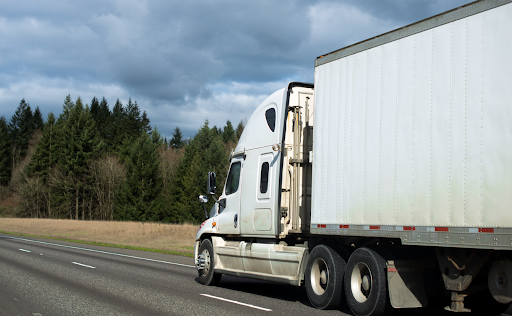
A dry van trailer is a fully enclosed semi-trailer with no refrigeration and no open deck. It protects cargo from weather, theft, and damage during transit. The American Trucking Associations reports that dry van freight represents the largest single category in U.S. trucking, handling everything from consumer packaged goods and electronics to automotive parts and building materials.
For businesses managing shipping volume that exceeds their owned fleet capacity, that needs temporary storage on wheels, or that is facing a seasonal demand surge, dry van trailer rental provides a flexible solution without the capital commitment of ownership.
What Are the Standard Dimensions of a Dry Van Trailer?
Dry van trailers come in standard configurations that determine what freight they can carry:
| Length | Interior Width | Interior Height | Max Payload |
| 48 feet | 98 to 100 inches | 108 to 110 inches | 42,500 lbs |
| 53 feet | 98 to 100 inches | 108 to 110 inches | 44,000 lbs |
The 53-foot trailer is the current standard for most commercial freight. The 48-foot trailer is more common in operations with dock height restrictions or urban routing requirements.
Gross vehicle weight is limited to 80,000 pounds under Federal Highway Administration regulations for standard axle configurations. Payload capacity is the difference between GVWR and the weight of the tractor and trailer combined.
What Types of Freight Does a Dry Van Carry Best?
Dry vans are appropriate for any freight that:
- Does not require refrigeration or temperature control
- Can be loaded through the rear door (standard 96-inch width opening)
- Does not exceed the weight and dimensional limits of the trailer
- Benefits from weather protection during transit
Common dry van freight categories:
Consumer packaged goods: Boxed food items, beverages, household products, and retail merchandise make up a large share of dry van freight volume.
Building materials: Flooring, cabinetry, drywall, and hardware that can be palletized and loaded through the rear door.
Electronics and appliances: High-value consumer electronics benefit from the enclosed, weather-protected environment of a dry van.
Automotive parts: Parts that can be boxed or palletized and do not require open-deck loading.
E-commerce fulfillment: Online retail distribution centers move the majority of their outbound freight in dry vans.
When Should You Rent Instead of Own a Dry Van?
Seasonal volume spikes: Retail businesses facing Q4 demand surges, agricultural operations shipping harvested product, and holiday-dependent businesses all face demand peaks that owned fleet capacity cannot absorb.
Overflow capacity: A business whose owned fleet runs at full utilization several months per year can use rental dry vans to handle overflow without permanently expanding the owned fleet.
Temporary storage: A dry van rental used as ground-level temporary storage costs $300 to $800 per month and provides secure, weather-protected space without the cost of a warehouse expansion.
Market entry or testing: A business expanding into a new geographic market can test the freight volume and logistics requirements before committing to owned assets.
What Is the Difference Between a Dry Van and a Reefer Trailer?
The primary difference is temperature control. A dry van has no refrigeration system. A reefer trailer has an independent refrigeration unit that maintains a set temperature range regardless of exterior conditions.
Dry vans cost less to rent, less to operate, and less to maintain because they have no refrigeration mechanical system. Reefer trailers carry a fuel cost for the refrigeration unit that dry vans do not.
If your freight does not require temperature control, a dry van is the correct and more cost-effective choice. Placing freight that does not need refrigeration in a reefer trailer is paying for capability you are not using.
What Does Dry Van Trailer Rental Cost?
| Rental Term | Average Rate |
| Daily | $50 to $100 |
| Weekly | $250 to $500 |
| Monthly | $500 to $900 |
These rates apply to standard 53-foot trailers in good condition. Newer trailers with liftgates or specialty interior options carry higher rates.
Compared to the annual carrying cost of an owned trailer, which runs $10,000 to $25,000 per year for depreciation, maintenance, insurance, and registration, rental makes financial sense for businesses using the asset fewer than 25 to 30 weeks per year.
Key Takeaways
- Dry vans represent approximately 70 percent of all U.S. trucking freight, making them the most versatile general-purpose trailer available
- Standard 53-foot dry vans carry up to 44,000 pounds of payload within an 80,000-pound gross vehicle weight limit
- Rental makes financial sense when annual utilization falls below 25 to 30 weeks because idle ownership costs exceed equivalent rental rates
- Dry van rental for temporary storage costs $300 to $900 per month, providing secure, weather-protected capacity without a warehouse commitment
- The difference between a dry van and a reefer trailer is temperature control: choose the type that matches your freight’s actual requirements
- Overflow capacity, seasonal volume spikes, and market entry are the three most common and financially sound reasons to rent rather than own
Knowing which trailer type matches your freight and whether renting makes more sense than owning are two decisions that directly affect your logistics cost per unit shipped. Get them right and your supply chain runs efficiently. Get them wrong and you are paying for capability you do not need or capacity you do not have.