 Richard
Homeowners should prioritize electrical upgrades in this order: safety hazards first, capacity limitations second, and convenience improvements third. Any electrical work that poses a risk to life or property belongs at the top of the list, regardless of cost.
The Electrical Safety Foundation International reports that home electrical fires account for an estimated 51,000 fires each year in the United States, resulting in nearly 500 deaths and over $1.3 billion in property damage. The majority of those fires involve outdated wiring, overloaded circuits, or aging equipment that was not upgraded as the electrical load of the home increased.
Homeowners in Windsor who need electrical assessment or upgrade work benefit from working with a qualified Electrician Windsor CO professional who can evaluate the system. They can identify the highest-priority items and provide a clear roadmap for addressing them.
Here is how to prioritize the electrical improvements your home may need.
What Are the Most Common Electrical Hazards in Older Homes?
Aluminum Wiring
Homes built between 1965 and 1973 may contain aluminum branch circuit wiring. Aluminum expands and contracts at a different rate than the copper connections it attaches to. Over decades, this differential movement loosens connections at outlets, switches, and panel connections.
Loose aluminum wiring connections create arcing, which produces heat at the point of contact. Arcing heat inside a wall cavity is a fire risk. The remedy is either replacing aluminum wiring with copper or installing approved anti-oxidant compound and CO/ALR-rated devices at every connection point.
Knob and Tube Wiring
Homes built before 1940 may contain knob-and-tube wiring, an early system that ran individual conductors separated by ceramic knobs and tubes through framing cavities. This system has no ground wire and no protective sheathing around conductors that run through framing.
Knob-and-tube wiring that has not been modified can still function, but it cannot support three-prong grounded outlets, does not provide the fault protection that current code requires, and becomes hazardous when insulation is piled around it in attics or when additional loads are placed on circuits that were sized for much lower demand.
Two-Prong Ungrounded Outlets
Homes without a grounding conductor in the branch circuits have two-prong outlets that cannot protect electronic equipment or provide the shock protection that three-prong grounded circuits offer.
Replacing a two-prong outlet with a three-prong outlet without providing a ground is a code violation in most jurisdictions. The correct remedies are running new grounded wiring to the outlet, installing a GFCI outlet that provides fault protection without a ground, or installing a GFCI breaker at the panel.
What Capacity Upgrades Do Most Older Homes Need?
Panel Upgrade from 100 to 200 Amps
Homes built before 1980 commonly have 100-amp service. Modern homes with electric ranges, electric dryers, HVAC systems, EV chargers, and multiple appliances running simultaneously regularly approach or exceed that capacity.
A 100-amp panel cannot safely support an EV Level 2 charger in a home that already runs a full complement of modern appliances. The upgrade to 200-amp service typically costs $1,500 to $3,500 installed and resolves capacity limitations for most residential loads.
AFCI Breaker Installation
Arc-fault circuit interrupter breakers detect arcing conditions in wiring before they produce a fire. The current electrical code requires AFCI protection in bedrooms, living areas, kitchens, and most finished spaces in new construction.
Older homes without AFCI protection can be upgraded by replacing standard breakers with AFCI breakers at the panel. This upgrade addresses one of the primary causes of electrical fires in residential buildings without requiring rewiring.
Dedicated Circuits for Major Appliances
Refrigerators, dishwashers, microwaves, and washing machines should each run on their own dedicated circuit. A shared circuit that experiences a fault in one appliance can trip the breaker and take other connected appliances offline.
More importantly, appliances on shared circuits can trip breakers or cause nuisance interruptions as the combined load approaches the circuit’s rating.
What Are the Convenience Upgrades Worth Considering?
Once safety and capacity are addressed, convenience upgrades improve daily usability without being urgent.
USB and USB-C outlets replace standard outlets with receptacles that include integrated charging ports. This eliminates the need for plug adapters at outlets that regularly charge phones, tablets, and other devices.
Smart switches and dimmers allow control of lighting through smartphone apps, voice assistants, and programmed schedules. They require neutral wire connections that older switch boxes sometimes lack.
Outdoor GFCI outlets add weatherproof convenience for holiday lighting, power tools, and outdoor entertaining equipment. Homes without exterior outlets can have them added from an adjacent interior circuit in most cases.
Under-cabinet lighting in kitchens improves task lighting quality at the primary work surface. LED tape lighting or puck lights, hardwired through a switch, provide a clean installation without visible cords.
When Should You Call an Electrician Instead of DIYing?
Electrical work that requires opening the panel, running new circuits, or working in walls should be performed by a licensed electrician.
The panel contains exposed live conductors even when the main breaker is off. The work inside a panel is not protected by turning off individual breakers. DIY work inside a panel without proper training creates an electrocution risk that the outcome does not justify.
New circuit installation requires a permit in most jurisdictions. Permitted work is inspected. Uninspected electrical work that creates a fire or injury removes insurance protection in many policy structures.
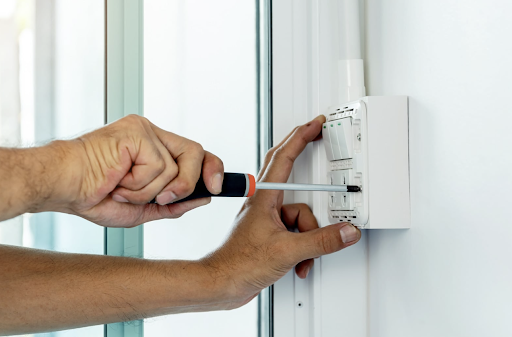
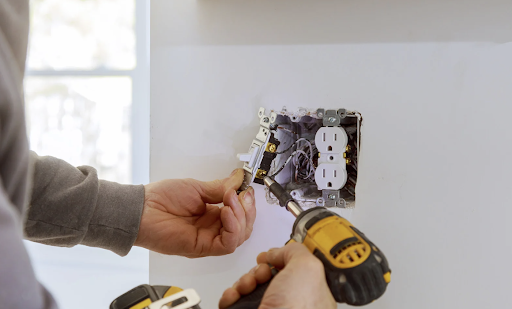
Replacing outlets, switches, and fixtures on existing circuits is accessible to careful DIY homeowners. Any work that involves the panel, new circuit runs, or subpanel installation belongs with a licensed professional.
Final Point
Electrical upgrade priorities follow a clear sequence: eliminate hazards first, address capacity limitations second, then pursue convenience improvements.
The hazards carry the most risk and most urgency. The capacity limitations affect daily function and limit what the home can support. The convenience improvements add quality of life once the foundation is sound.
A licensed electrician evaluating your home can identify which category each item falls into and provide a realistic cost and priority order for addressing them systematically rather than reactively.