 Richard
The most common home electrical problems are tripping breakers, flickering lights, dead outlets, and inadequate grounding. Each has a specific cause and a defined repair path.
The U.S. Consumer Product Safety Commission estimates that electrical problems cause approximately 31,000 home fires annually, resulting in over 900 injuries and $1.1 billion in property damage. Most of those fires originate from wiring defects, overloaded circuits, and aging equipment that was not maintained or repaired when symptoms first appeared.
Understanding what common electrical problems look like and what causes them helps homeowners recognize when a problem needs professional attention before it escalates.
Homeowners in Lakewood experiencing any of these conditions can contact Home Electrical Repair Services Lakewood CO, for professional diagnosis and repair.
Why Does a Breaker Keep Tripping?
A breaker trips when the circuit carries more current than it was designed to handle. The trip is a protective response, not a malfunction.
Overloaded circuit: The most common cause. Too many devices drawing power from the same circuit push the total amperage past the breaker’s rated capacity. The fix is redistributing the load across multiple circuits or adding a dedicated circuit for high-draw appliances.
Short circuit: A hot wire contacts a neutral wire directly, creating an unintended low-resistance path for current. This produces a sudden, large current draw that trips the breaker immediately. Short circuits require locating the fault in the wiring, outlet, or device that caused the contact.
Ground fault: A hot wire contacts a grounded surface, such as a metal junction box. GFCI protection at the outlet or breaker level is designed to trip before the current reaches a dangerous level. If a GFCI breaker trips on a circuit, a ground fault exists somewhere on that circuit.
Faulty breaker: Breakers wear out. A breaker that trips under a load it previously handled without issue may be failing. Breaker replacement is a panel-level repair that requires a licensed electrician.
Why Do Lights Flicker?
Light flickering has three common causes with very different urgency levels.
A loose bulb or fixture connection is the least serious. A bulb that is not fully seated in its socket creates intermittent contact that produces flicker. Tightening the bulb or checking the fixture wire connections resolves this.
Voltage fluctuation from a large appliance starting is normal behavior. When a motor in a refrigerator, air conditioner, or washing machine starts, it draws a surge of current that briefly drops the voltage on the circuit and produces a momentary dim or flicker in connected lights. If this is isolated to the moment an appliance starts and resolves immediately, it is not a repair item.
Loose connection in the wiring or panel is a safety concern. Flickering that occurs randomly without an identifiable trigger, affects multiple rooms, or comes with a buzzing sound from outlets or switches indicates a loose connection somewhere in the system. Loose connections create arcing that generates heat. This is a fire risk that requires professional evaluation.
Why Does an Outlet Stop Working?
A dead outlet has three likely causes:
Tripped GFCI outlet. Bathrooms, kitchens, garages, and outdoor outlets connect to GFCI-protected circuits. A fault on any outlet in the GFCI chain trips the protection at the GFCI outlet, cutting power to all downstream outlets in that circuit. Find the GFCI outlet for the circuit (often not in the same room as the dead outlet) and press the reset button.
Tripped breaker. A fault on the circuit trips the breaker and cuts power to all outlets on that circuit. Check the panel for a breaker in the tripped position and reset it.
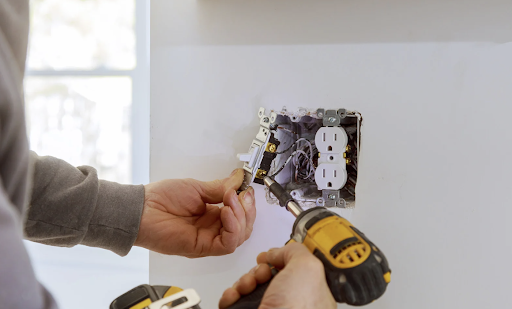
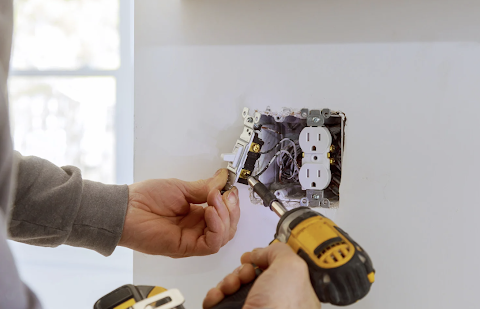
Loose wire connection at the outlet. Outlet connections loosen over time, especially in older wiring with aluminum conductors. A loose connection creates a dead outlet or an intermittently working one. This is a repair that requires removing the outlet from the box and re-securing the connections.
What Causes an Outlet to Feel Warm or Produce Sparks?
A warm outlet indicates that current is flowing through a resistance it should not encounter. This means a loose connection, an overloaded circuit, or failing outlet contacts.
A brief spark when plugging in a device is normal. The device’s internal capacitors draw a small surge on connection. A large spark, a prolonged spark, or sparking that occurs without a device being connected is not normal and indicates a wiring fault.
Warm outlets and abnormal sparking require professional evaluation. These conditions produce the heat that leads to electrical fires.
When Do You Need an Electrician Instead of a DIY Fix?
Call an electrician for:
- Any work inside the electrical panel
- New circuit installation
- Flickering that is not resolved by a loose bulb
- Warm or discolored outlets
- Any wiring that involves opening walls or running cable through framing
- Homes with aluminum branch circuit wiring
- Any situation involving sparks from the wiring rather than from the device being plugged in
DIY is reasonable for:
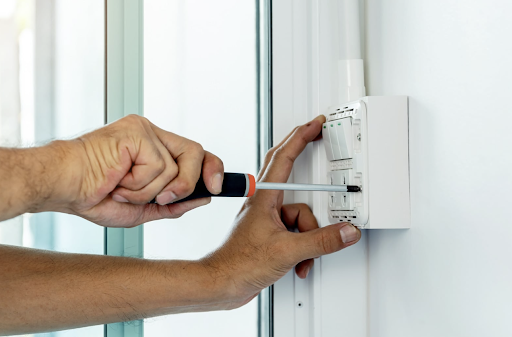
- Replacing a standard outlet or switch on a circuit that is first turned off at the breaker
- Replacing a light fixture on a circuit that is first turned off at the breaker
- Pressing a GFCI reset button
- Replacing a light bulb
The test for whether to DIY or call a professional is whether the work involves opening the panel, running new wire, or diagnosing a problem that is not immediately visible and identifiable. If the answer to any of those is yes, the repair belongs with a licensed electrician.
Final Thoughts
Common electrical problems follow recognizable patterns. Tripping breakers indicate overloaded circuits or faults. Flickering lights indicate loose connections or voltage fluctuation. Dead outlets indicate tripped protection or loose wiring. Warm outlets indicate current flowing through resistance.
Each pattern points toward a specific repair. The urgency varies: a loose bulb causes no harm. A loose wire connection inside a wall is a fire hazard.
Recognizing which problems require professional attention and acting on that recognition before the condition worsens is the decision that keeps a home safe.