 Richard
TLDR: A new front door costs between $500 and $4,000 installed for standard models, and $2,000 to $10,000 for custom designs. It returns up to 88 percent of its cost at resale and is one of the highest-ROI home improvements available.
A new front door costs between $500 and $4,000 installed for standard replacement doors.
Custom-built doors with specialty materials, glass inserts, and hardware can reach $10,000 or more. The return on that investment is well-documented: Remodeling Magazine’s 2023 Cost vs. Value Report ranks steel entry door replacement at 100.9 percent ROI, making it the only home improvement that consistently returns more than its resale cost.
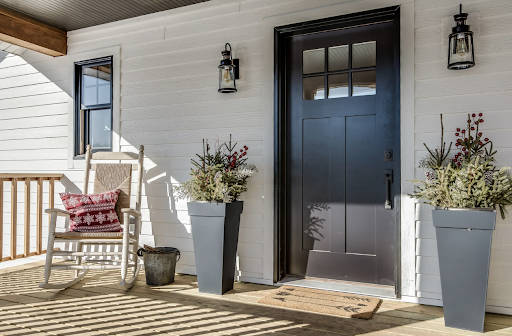
Homeowners in the Denver metro area considering an upgrade can explore their options through a Custom Front Door Arvada CO specialist who builds doors to the specific proportions of the opening rather than fitting a stock door to an existing frame.
Custom sizing eliminates the air gaps and thermal bridging that reduce the energy performance of standard replacement doors.
What Factors Affect the Cost of a New Front Door?
Material
Material is the primary cost variable:
- Fiberglass: $800 to $5,000 installed. Resists warping, denting, and moisture. Accepts paint or stain finishes. Best overall durability-to-cost ratio.
- Steel: $500 to $2,500 installed. Strongest security rating. Energy efficient with foam-core insulation. Limited design customization compared to wood or fiberglass.
- Wood: $1,500 to $8,000+ installed. Best aesthetic flexibility. Requires periodic refinishing. Performs well structurally for decades when maintained.
- Iron and glass combinations: $3,000 to $10,000+. Visual impact is unmatched. Higher maintenance and installation complexity.
Size and Configuration
Standard single doors cost less than double doors, doors with sidelights, or doors with transom windows above. Each additional glass panel, sidelight unit, or frame extension adds cost to both the door unit and the installation.
Non-standard rough openings require frame modification, which adds labor and may involve structural work depending on the opening’s original construction.
Hardware
Handlesets, locksets, hinges, and door knockers contribute $100 to $800 to the total, depending on finish and security rating. Multipoint locking systems, which engage the frame at three or more points, add cost but improve both security and weathertight performance.
Is a New Front Door Worth the Investment?
Yes, for three reasons that hold regardless of market conditions.
Resale value: The National Association of Realtors estimates that buyers assign approximately $3,500 in perceived value beyond the actual improvement cost to an upgraded front entry. In a competitive listing environment, a well-chosen door differentiates a property from comparable homes on the same street.
Energy savings: According to the U.S. Department of Energy, air infiltration through doors and windows accounts for 25 to 40 percent of a home’s heating and cooling costs. A properly installed door with weatherstripping and a thermally broken frame reduces that infiltration measurably. Homeowners in climates with significant heating seasons see this return in utility bills.
Security: A door with a solid core, a properly installed deadbolt, and reinforced hinges resists forced entry significantly better than a hollow-core or deteriorated door. The FBI reports that 34 percent of burglars enter through the front door, making door quality a direct safety investment.
What Is the Difference Between a Pre-Hung Door and a Slab Door?
A pre-hung door comes complete with a frame, hinges, and weatherstripping. It replaces the entire door unit, including the frame.
A slab door is the door panel only. It fits into an existing frame when the frame itself is in good condition and correctly sized.
Pre-hung doors cost more but are the correct choice when the existing frame has rotted, shifted, or was never correctly sized. Installing a slab in a compromised frame creates air infiltration, sticking, and security problems that the new door panel cannot overcome.
Most full-replacement projects use pre-hung units. Slab replacement is appropriate when the frame is sound, and the existing door has simply worn out.
How Long Does a New Front Door Last?
- Fiberglass: 25 to 50 years with minimal maintenance
- Steel: 20 to 30 years with periodic painting to prevent rust
- Wood: 30 to 100 years with regular refinishing every 2 to 5 years
- Iron: 50 to 100 years with rust-preventive maintenance
Material longevity is tied directly to maintenance. A wood door that is refinished on schedule outlasts a fiberglass door that is neglected. The maintenance commitment belongs in the material selection decision.
What Should You Ask Before Buying a Custom Front Door?
- What is the R-value of the door unit?
- Is the frame thermally broken to prevent heat transfer?
- What weatherstripping system is included, and how is it replaced when worn?
- What warranty covers the finish and the structural integrity separately?
- Is the door rated for my local wind load and impact requirements?
Key Takeaways
- A new front door returns up to 100.9 percent of its cost at resale, making it one of the strongest ROI home improvements
- Custom doors sized to the exact opening eliminate air infiltration that standard replacement doors cannot address
- Material selection drives cost more than any other factor: steel offers the best value, wood the best aesthetics, and fiberglass the best balance
- Pre-hung doors are almost always the right choice for full replacement because frame condition determines door performance
- Energy savings from a properly sealed entry door reduce heating and cooling costs that account for 25 to 40 percent of a home’s energy bill
- Security upgrades in door core material and locking systems directly reduce forced-entry risk, which accounts for 34 percent of residential burglaries